
Joey Sneddon is the founder and Editor-in-Chief of OMG! Ubuntu. Since 2009, he has reported on Ubuntu and the wider open-source and Linux ecosystem, covering every major Ubuntu release since 9.04 to the present. With 16 years of hands-on experience reporting on Ubuntu and Linux, his coverage has been cited by leading technology news sites including Ars Technica, Engadget and Forbes.
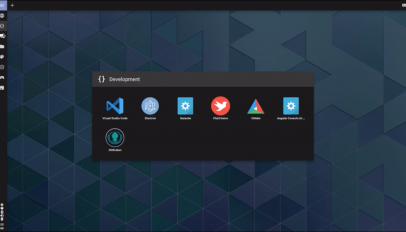
Imagine GNOME Shell and the i3 window manager got married, settled down, and had a kid — that kid would grow up to be Material Shell. Material Shell is a fantastic new GNOME Shell extension/user […]
Linux Mint 32-bit releases are being dropped, with the distro confirming that it will not provide 32-bit downloads of Linux Mint 20 next year.
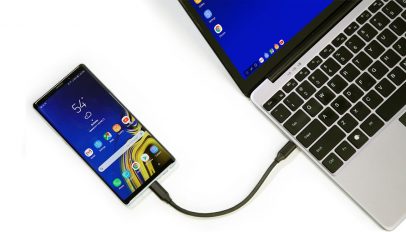
A hands-on video showcasing the NexDock 2, a 13-inch laptop shell that lets you use your Android smartphone or SBC as a fully-fledged computer.
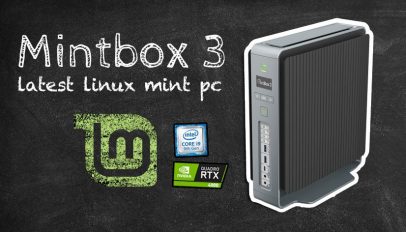
Linux Mint's MintBox 3 PC is nearing release with high-end specs and a price tag to match! Built by Compulab, the MintBox 3 will be cost from $1.5k.
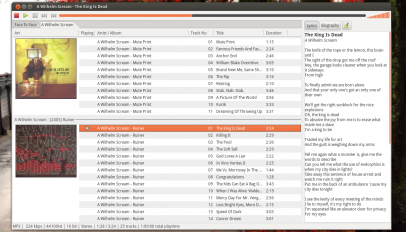
We checkout the latest release of the DeaDBeeF music player, DeaDBeeF 1.8.1, and show you how to install the lightweight music app on Ubuntu.
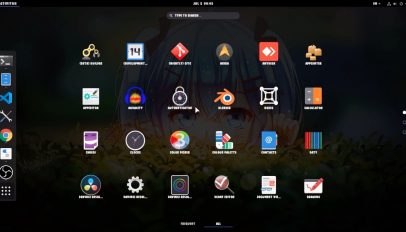
It may soon be easier to change GNOME Shell font thanks to a new patch that makes the GNOME Shell interface respect a user's font settings.

A in-depth video showing KDE Plasma users how to make their desktops look like an impressive Plasma desktop popular with users on Reddit.

Windows users will soon have another way to create a live, bootable USB drive of their fave Linux distribution. A KDE ISO writer tool for Windows desktops is being developed as part of the Google […]
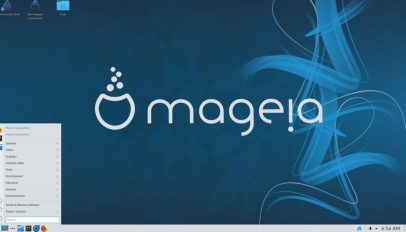
If you fancy sampling a Linux distro that’s not based on Ubuntu, check out the new Mageia 7 release, now available for download. Mageia 7 arrives two years after the release of Mageia 6 and […]
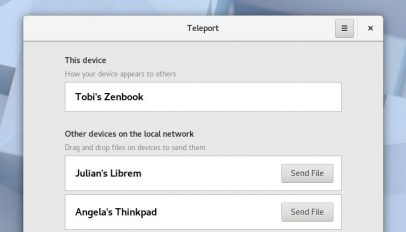
For a fast, frill-free way to fling files between Linux PCs using your local network, check out Teleport, a file transfer app for Linux.
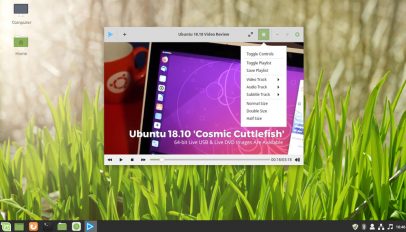
Cinnamon 4.2.0 is the latest update to the Linux Mint desktop, but users shouldn't get too excited by the pending upgrade as it's a bug fix release.

It looks like GNOME Shell is FINALLY adding drag and drop folder creation to the Applications Overview, with code implementing the feature pending merge.
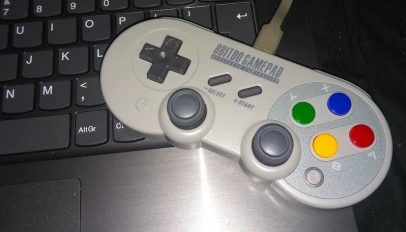
Guys, I finally bought myself a decent game controller to use on Linux! What did I get? The 8BitDo SF30 Pro. This Bluetooth controller is styled after the classic SNES gamepad, but adds rumble, analog […]
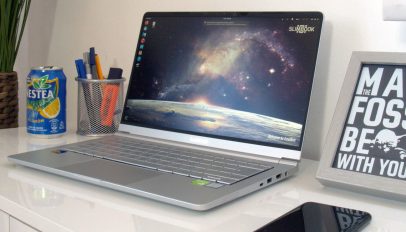
The Slimbook Pro X claims to be the best Linux laptop in the world. We take a look at its specs and its price to see if the boast holds up.

The GNOME Foundation has been posted its 2018 annual report, seeing a substantial increase in funding thanks to two major donations.
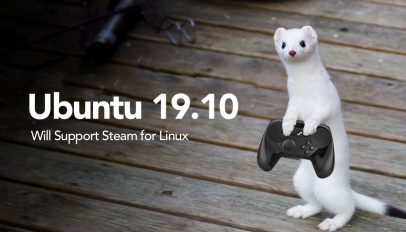
Ubuntu gamers can breathe a sigh of relief as Valve has confirmed that Steam for Linux WILL support Ubuntu 19.10. Valve developer Pierre-Loup Griffais says Ubuntu’s recent rethink over plans to axe its i386/32-bit archive […]

We show you how to unlock the hidden GNOME Classic Mode in Ubuntu 18.04 LTS and above. The Classic session sports a traditional app menu, task bar and more.
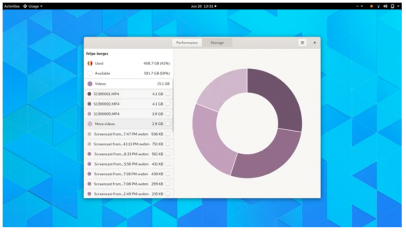
A new, improved storage panel is currently in development for GNOME Usage, the user-friendly system resource reporting and monitoring tool.