
A ‘fresh new look’ is heading to Bodhi Linux, the Ubuntu-based Linux distribution built around the Moksha desktop1, a fork of Enlightenment 17.
Noting that the look of recent releases has leaned towards the dark side—no, not that one, Darth—the team has decide to give the next release a lighter visual revamp by making a new theme, called Zenithal, default.
“Zenithal, developed by Štefan Uram and based on the Ice theme by Simotek, introduces a polished light aesthetic that brings a fresh energy to Moksha. It also marks a first for Bodhi: windows and dialogs with rounded edges,” they say.
Bodhi Linux’s lead developer, Robert “ylee” Wiley, shared a sneak peek of Zenithal in situ on his X (formerly Twitter) account a few weeks back:
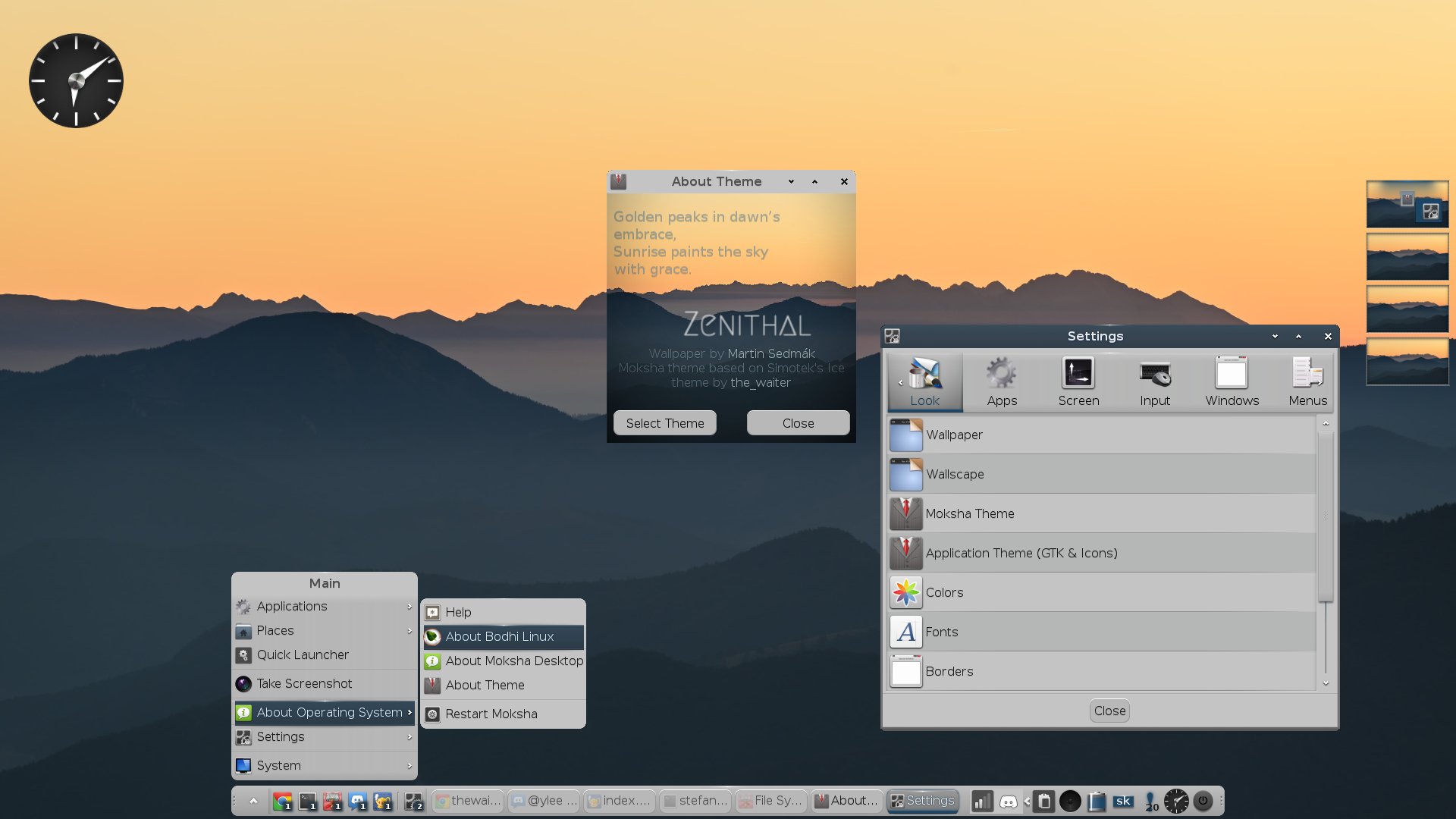
To compliment the look a matching GTK theme is in the works. This will help bridge consistency for those running apps made in other toolkits. Additionally, the team is exploring a continuation of classic Linux icon set Faenza , albeit under a new name.
The changes don’t end there, though.
Other Bodhi Linux 8 Changes
Long-time users of Bodhi Linux may have fond memories of some older Moksha modules that have, over the years, broken or been removed.
Keen to keep true to its legacy, some of those are coming back to, the team—or ChatGPT—assures will “bring more customization and functionality to the desktop experience”.
Moksha modules returning include:
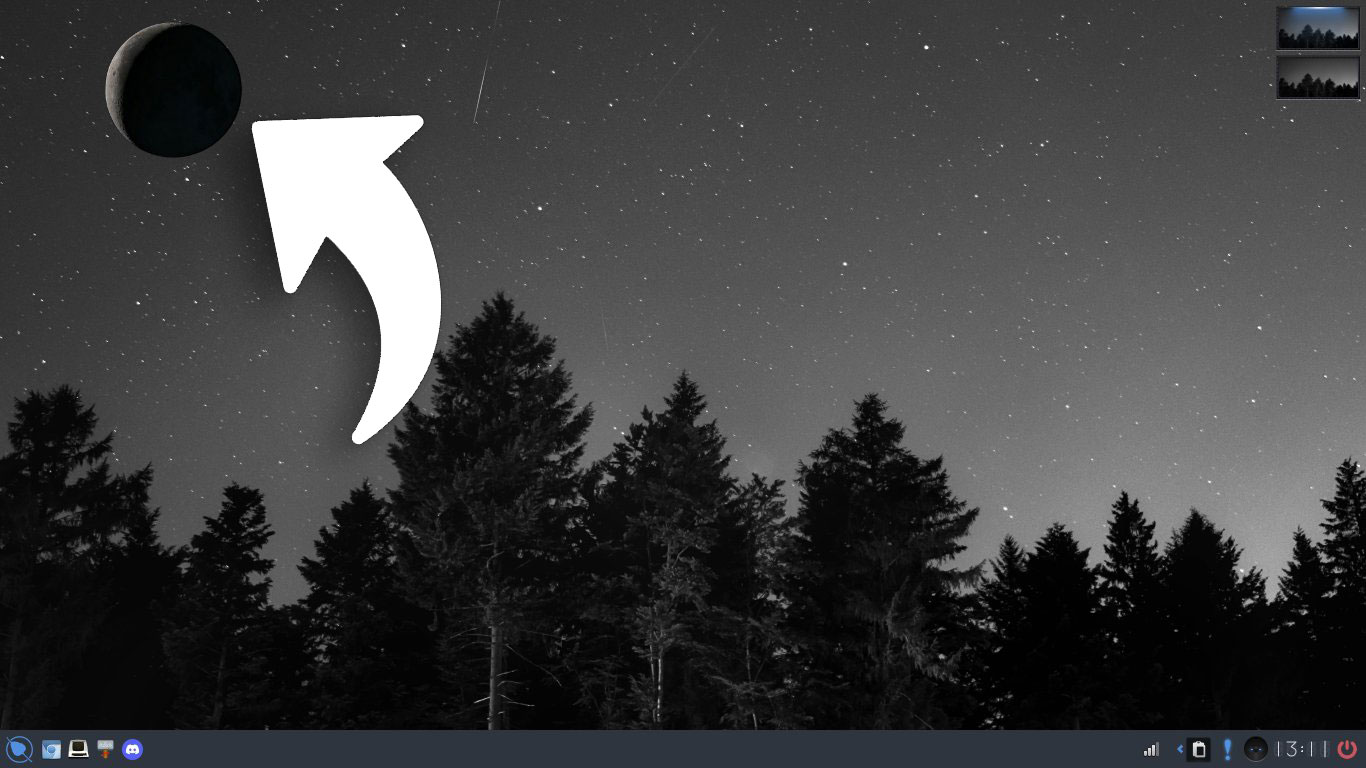
- Moon – Dynamic, animated moon phase widget for the desktop
- Wallscape – Animated desktop background switcher
- Drawer – Configurable drawer to access frequently used apps and files
Restoring these modules ensures that Moksha remains as feature-rich and customizable as ever, blending classic enhancements with modern refinements.
Not everything needs to be mainstream
As I say whenever I write about the Enlightenment desktop (the real deal or a fork like Moksha): chiding it for not looking, working or conforming to the way more familiar Linux DEs do is on a hiding to nothing: it is own thing—a thing with roots reaching back decades.
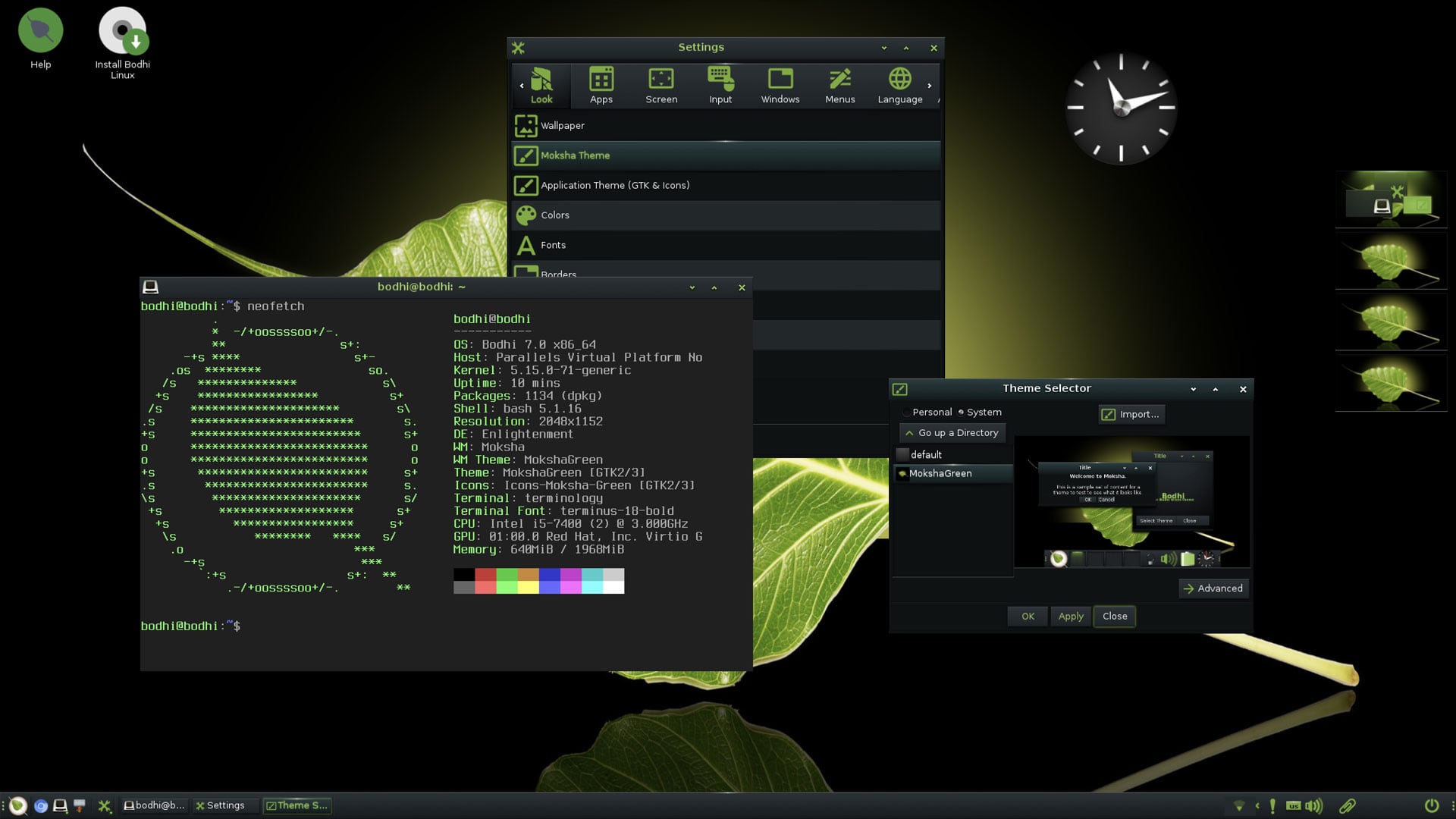
Plus, like those more-familiar Linux desktop environments, Moskha also supports themes, modules, customisations so no-one is not stuck with using it how it comes out of the box — customisation is king!
Bodhi Linux, like most based around Enlightenment, is pretty lightweight and a great fit for aging tech. I’ve got an old 2GB Intel Celeron Chromebook that runs Bodhi Linux natively.
Do I use it as my main machine? No, but it runs like a champ with it. Google rendered it obsolete, but Bodhi saved it from being e-waste.
When is Bodhi Linux 8 released?
Bodhi Linux 8 is currently in development, release date TBD. Bodhi Linux 7 is the current stable release but a stop-gap 7.1 release is being considered to help pave the way for for the bigger changes planned in the 8.0 milestone.
More details on the new themes, modules, and other changes are pay-walled on the Bodhi Linux Patreon, should you feel inclined to sign up and learn more.
Otherwise, more news on Bodhi Linux 8.0 as/when I get it — exciting stuff!
- Technically a window manager but with built-in features most of us would consider or refer to as being a desktop environment ↩︎