

Need a free AI image upscaler to fix those grainy 0.3MP netbook selfies you took back in 2012?
Upscaler is an open-source Linux app that converts low-resolution photos and into clear, high-resolution images using a local AI model and your computer’s GPU.
It provides a GTK4/libadwaita front-end for the Real-ESRGAN ncnn Vulkan AI algorithm. It’s this algorithm that does the real magic, and the results are pretty striking, as this comparison graphic from GitHub shows:
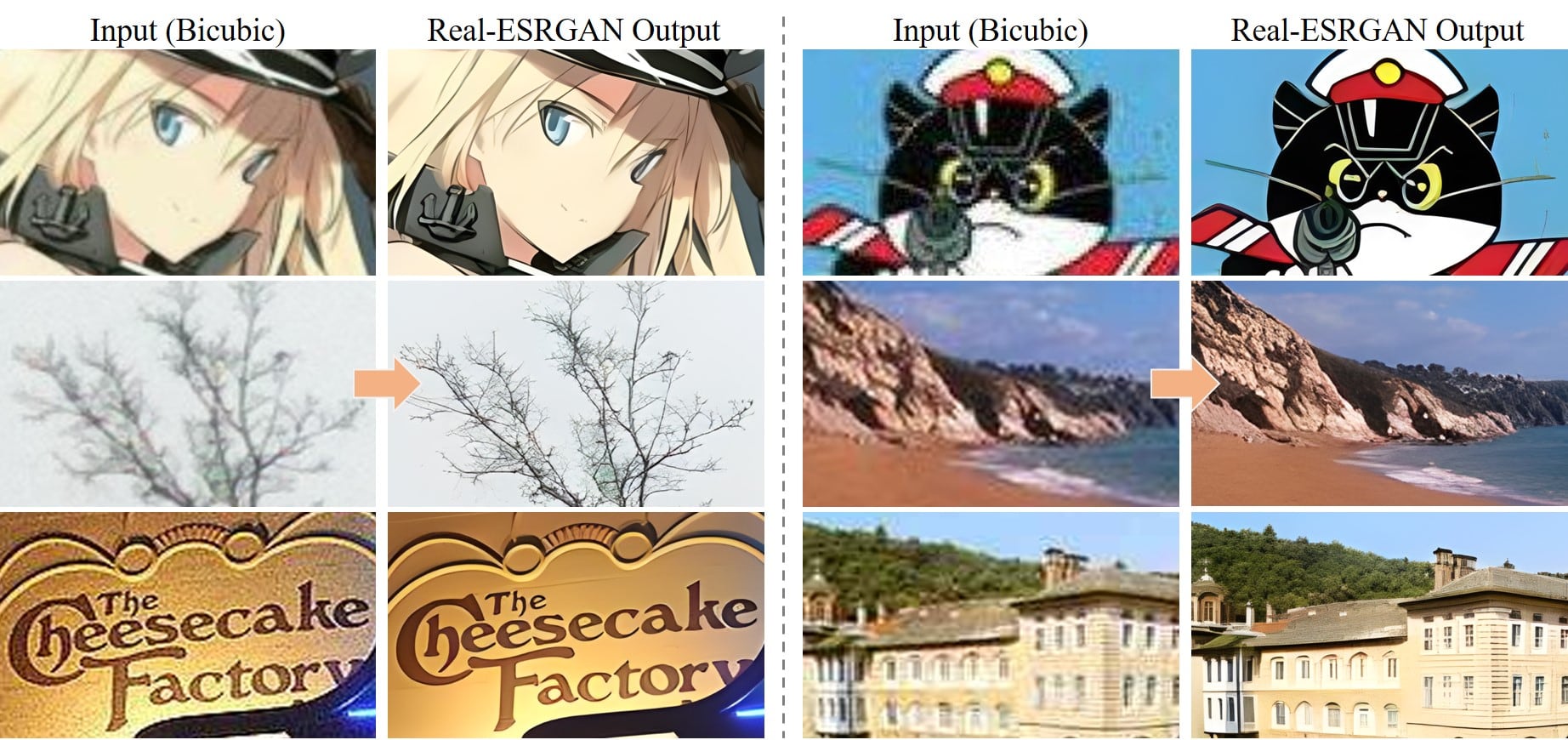
How does it upscale? Without being bogged down in the mathematics, it uses an AI models trained on million of images. It looks at the input image, predicts what details and edges should look like at a higher res and paints in new pixels to rebuild the image.
How well does it upscale? Results vary based on the the quality of the original files. As the AI is only guessing at detail rather than bringing back anything hidden in the image, vector art with bold shapes work best, while heavily compressed, noisy photos struggle.
I tested Upscaler on an old photo of me
I occasionally use the ML Super Resolution feature in the Pixelmator Photo app on my iPad Pro. It does a similar thing, though the end result is never as pin-sharp as the marketing (much less the sci-fi movie ‘auto-enhance’ effects we grew up on) make out.
Which is to say: I didn’t expect Upscaler to blow my socks off either.
Unlike other of the machine learning and AI algorithms you might have heard about, you don’t need to setup a server to run the AI model or hand-craft configuration files to train it. Upscaler abstracts away the hassle-y stuff, leaving you to do the obvious.
Open Upscaler, feed it an image, let it know if it’s dealing with a photo or an cartoon/anime image, dial in your preferred settings (scale size, filename, etc) and click ‘Upscale’ to enhance:
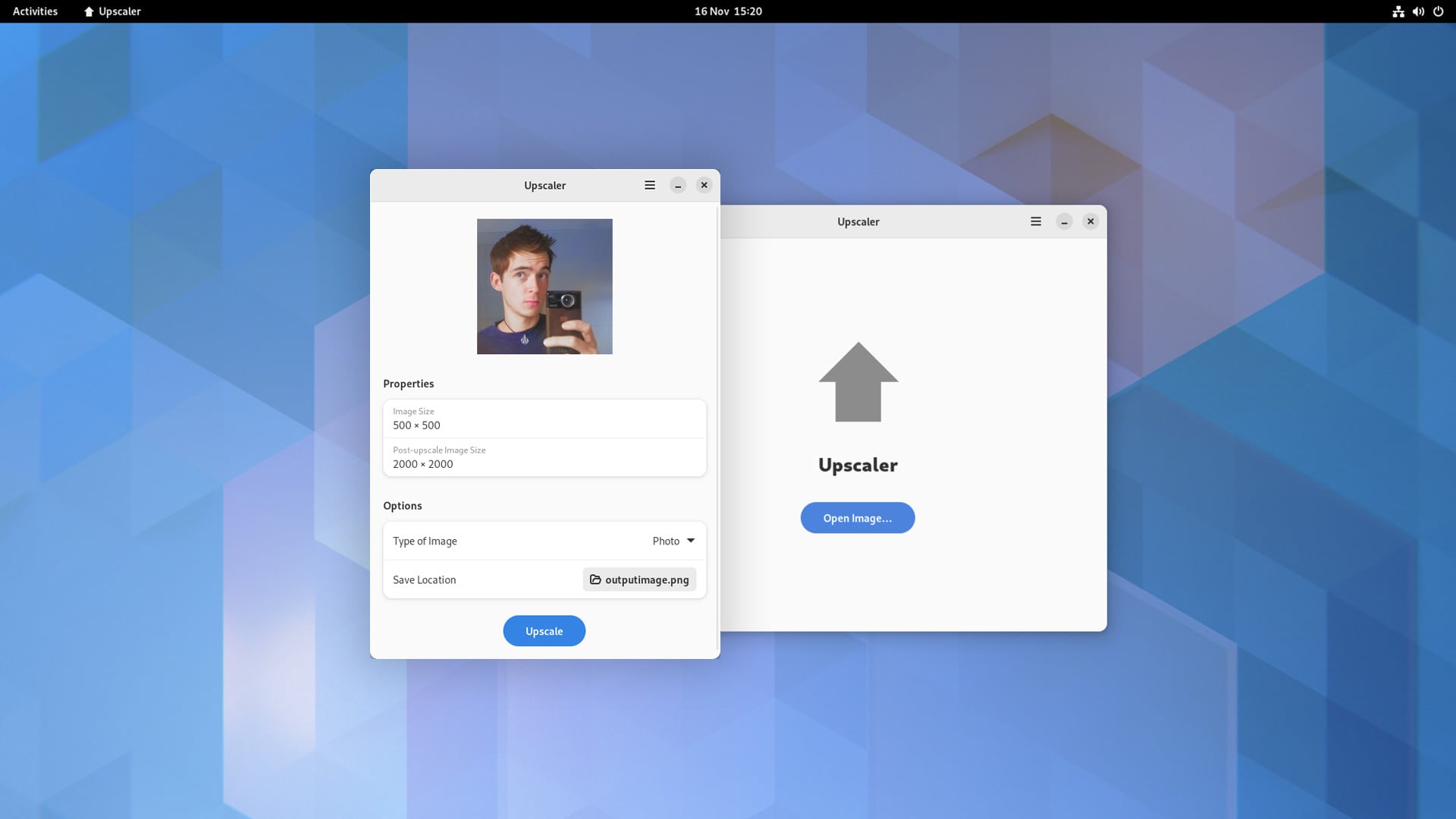
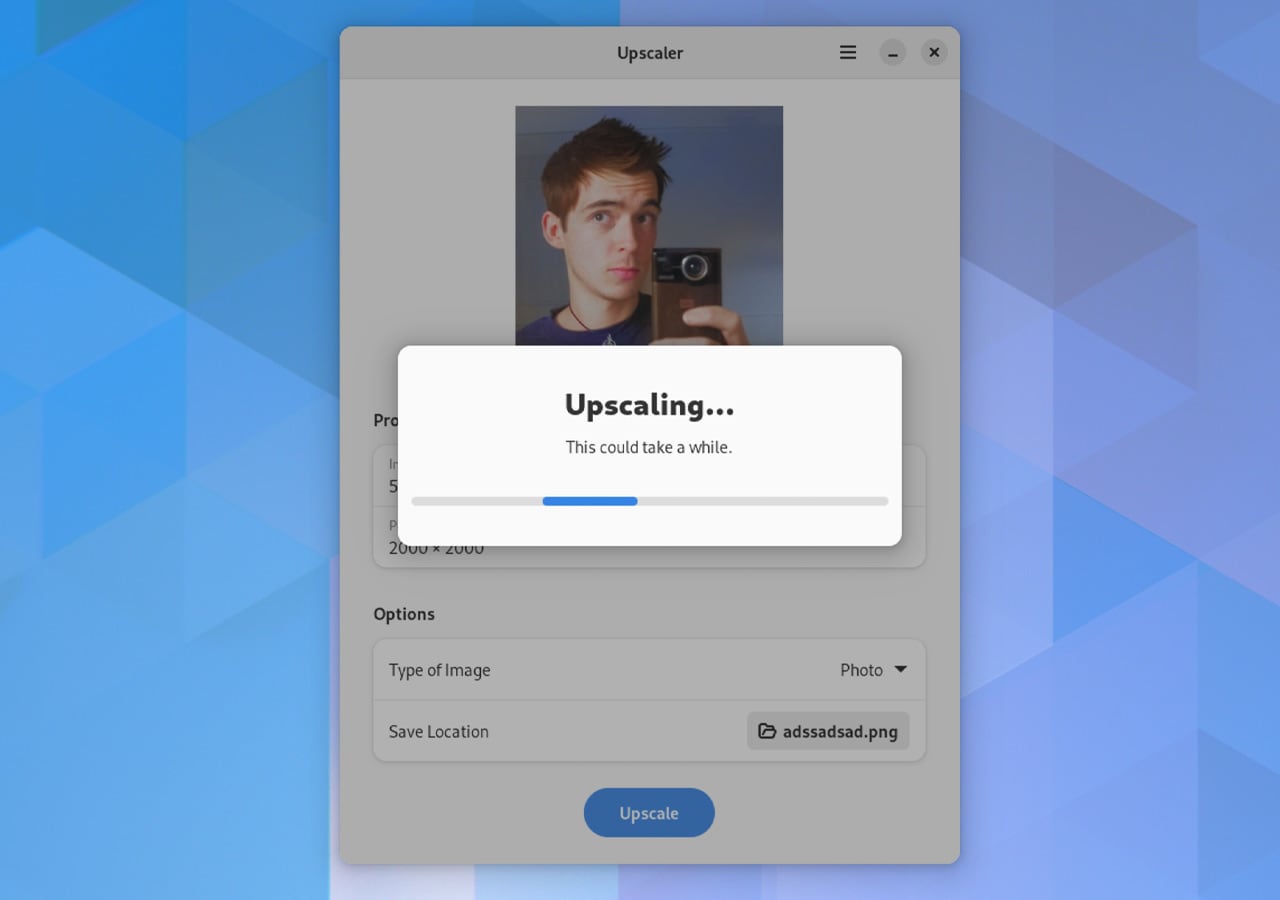
Upscaling takes a little bit of time, something those on systems with weaker graphics drivers should expect.
I tested it on a laptop with AMD Ryzen 2500u and integrated Radeon Vega 8 graphics. Upscaling a 500px square image into a 2000px square upscaled image took around 20 seconds to process from start to end.
Below are the results of an upscale on a low-res selfie I had on my device:
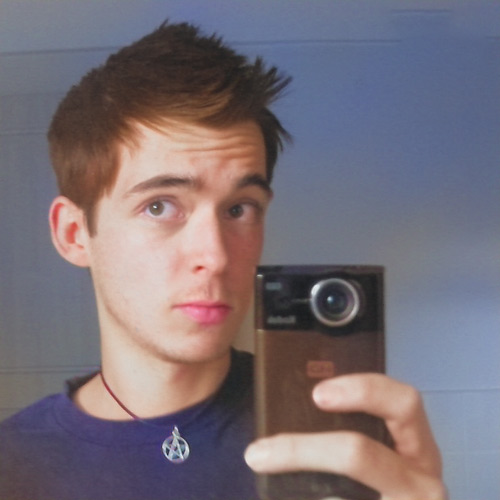
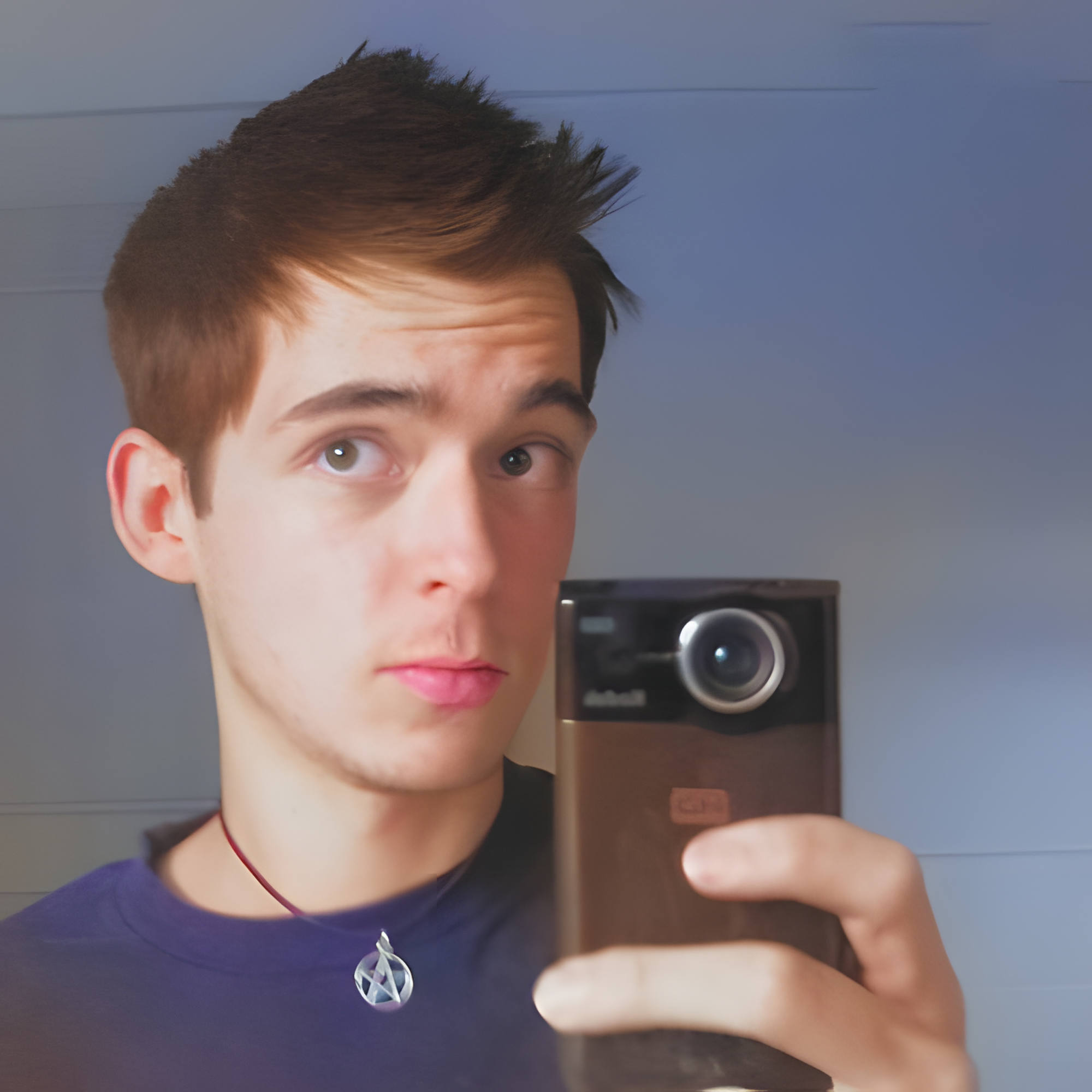
Side note: I loved that Kodak Zi8.
Admittedly, my try-hard teen selfie isn’t the ideal fodder to feed the algorithm, but as a ‘real world’ use case it’s likely closer to the sort of early smartphone photos you might want upscaled.
You don’t need to put your loupe up close to the screen to see the upscaled selfie has un-naturally smoothed skin (it’s shaved me!) and its really widened the whites of my eye. The text on the Zi8 is indistinct in the source image, so no surprise to see it garbled in the AI version.
Those changes don’t look “bad” to my eyes, but it’s invented. I won’t be trashing the original. But the app is likely to work well with better source images, especially illustrated/computer images which won’t exhibit the same degree of “uncanniness” as a human visage.
Install Upscaler on Ubuntu
Upscaler is free, open source software, licensed under the GNU General Public License v3.0.
You can get Upscaler on Flathub, which is the easiest way to install it on Ubuntu. For optimal results keep in mind that you need a system with Vulkan compatible graphics.