


Canonical’s Snap Store has seen a huge uptick in app uploads over the past few days – one account publishing more than 100 utilities and games in 24 hours.
What gives? Is the snap store finally seeing a second wind?
Typically, the snap store sees between 15-30 new app uploads (not updates) a day, per a quick eyeball of the ‘new’ graph on Alan Pope’s SnapUpdates site.
But since the 13 November, the figure has crept into the hundreds, mainly driven by uploads from 4 publisher accounts – note: the numbers are still climbing as I write this, and the snap store links below cap at 100 results.
- TC Studio – 260 snaps1
- TC Tools – 191 snaps
- TC Software – 191 snaps
- Nguyen Van Thanh – 227 snaps (6 uploaded in June)
The 4 accounts appear to be run by the same person.
I can’t prove they’re the same person, but I do have eyes:
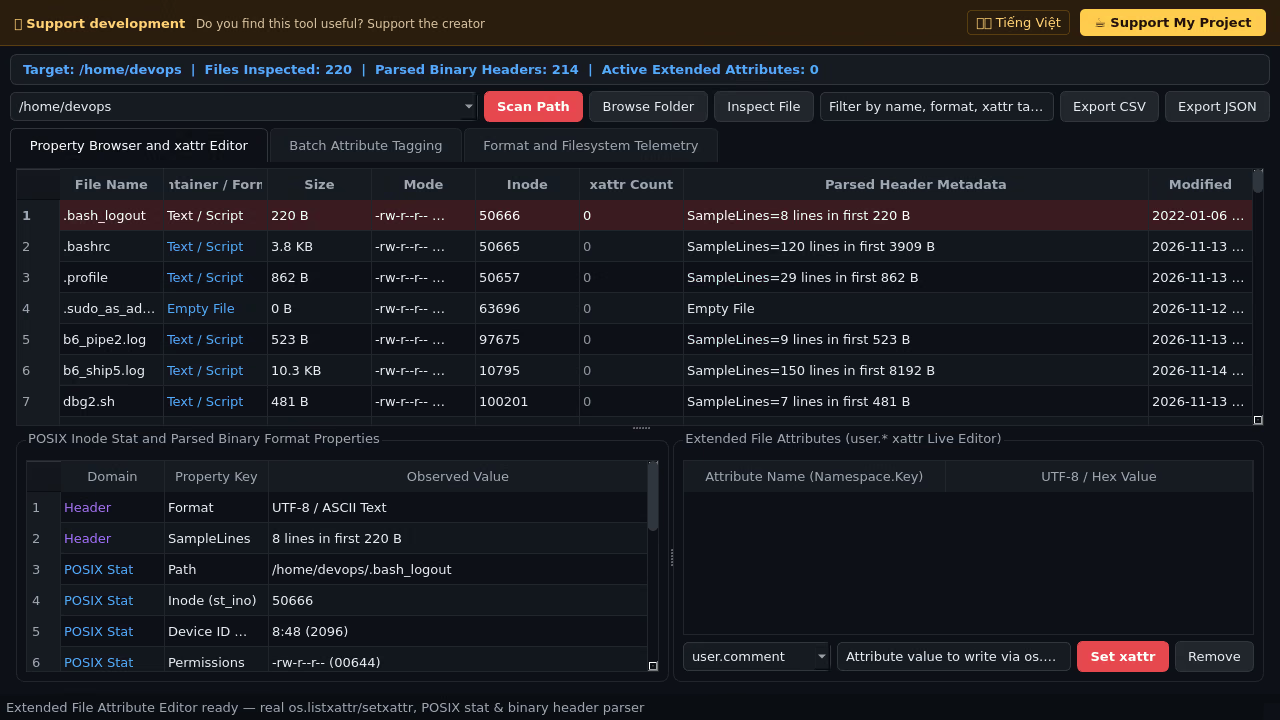


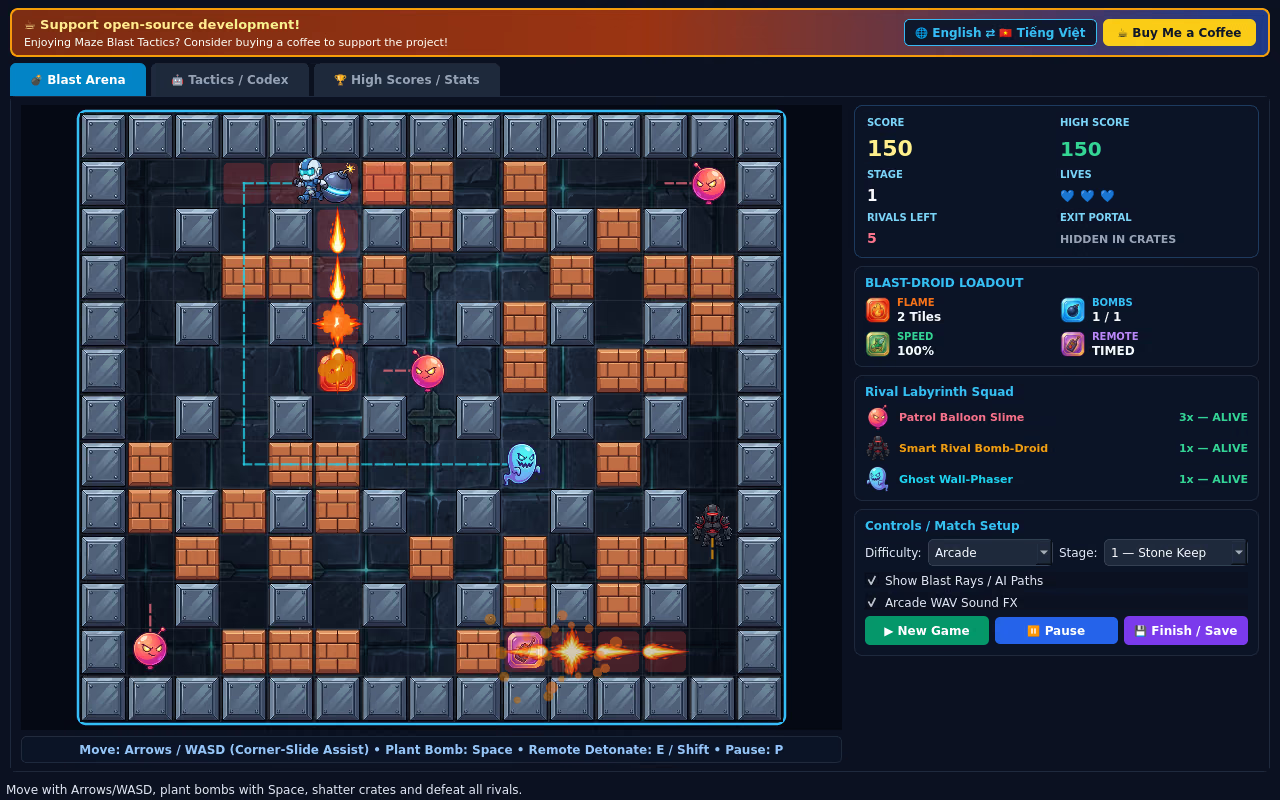
All the wares between the 4 accounts use a similar design template. Most include the same Vietnamese-English toggle and have a donation request banner (the latter linked to the donation page for a developer called Nguyen Van Thanh).
To be clear: nothing appears malicious about these apps or games.
They span everything from PDF editors and network packet inspection tools to remakes of arcade games like Pac-Man. I installed a few to check them out, and they do do what they claim to do (and no; a silent background crypto-miner didn’t appear).
But are these useful?
Shady snap name squatting
A number of the apps appear to be slight variations of the same thing. I counted multiple uploads with “PDF” in the title that, superficially, look like the same tool, despite the titles and descriptions painted around different tasks.
Weirder still, several listings feed in the name of well-known software. Video Frame Upscaler Studio has the package name topaz-video-ai, while Raster Vector Motion Studio uses creative-cloud-pro.
Others apps mention the names of well known software in their descriptions, either to describe themselves as an “alternative” to it, e.g., Bandicam, Rufus, CPUZ, or use disclaimers (despite no indication one might assume it) that it’s ‘not affiliated’ with it.
Why do this?
Presumably so someone typing “Topaz” or “Creative Cloud” in App Center finds one of their apps.
Free software has costs too
Now, an over-caffeinated developer burning either the proverbial candle at both ends, or a lot of LLM tokens, to churn out hundreds of apps is not, of itself, a bad thing.
The utilities and games I looked at are licensed under MIT, i.e., open source (though none link to source code, code repos or a developer website, at the time of writing).
I highlight it because it’s a) a bit odd and b) it echoes something I’d covered before.
I’ve reported on app submission changes at Flathub, GNOME Extensions and the code-hosting platform Codeberg. All three took steps to protect their infrastructure and volunteers from being swamped by aimless AI slop – all three got flack for doing that.
Software distribution isn’t wholly free, even for things prompt-farted into existence
Platforms have legitimate reasons to gate their submission processes. Software distribution isn’t wholly free, and they should have to accept anything thrown their way – regardless of whether it was prompt-farted into existence or hand coded by a code artisan.
Canonical is fine; it has paid staff engineers and enough cash to cope with an influx, but other hubs and projects don’t – that’s why I’m mentioning this.
A sudden uptick in app uploads will look good on internal presentation slide, but there are costs involved on all sides, not least for the users who may now have to wade through 30-odd minimally-differentiated software to find something worth installing.
- These figures are from the SnapUpdates’ publisher pages, rather than the Snapcraft website. The latter caps out at 100 snaps per publisher on listing pages, with no pagination to see more. The numbers in the publisher pages don’t tally with the ‘new’ apps chart (that I can fathom), hence my rounding in prose. ↩︎